403 Forbidden
ERR_WEB_NGX_403

Rated EXCELLENT on

Platinum Trusted Service, based on over 42,000 reviews.

Aquascaping is more than just decorating, it’s about creating a balanced ecosystem that’s both beautiful and healthy for aquatic life. Whether you’re a beginner or an experienced aquarist, choosing the right layout can transform your aquarium into a living work of art.
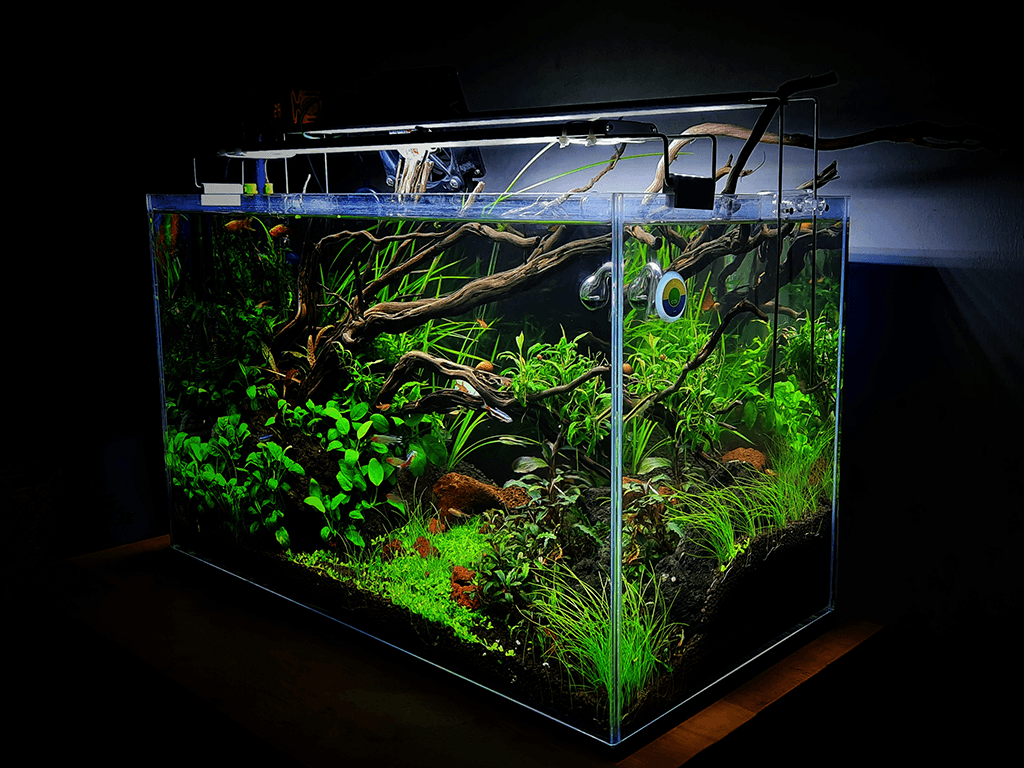
Below are 10 inspiring aquascaping styles that will help you build depth, structure, and harmony in your tank, all whilst being practical and fish friendly.
A nature aquarium mimics real life landscapes and natural rivers using substrates like soil, gravel, or sand combined with flowing plants such as moss and carpeting grass. This theme is very popular as it creates a calming and organic feel all while supporting healthy biological balance.
Browse our selection of live aquarium plants for the perfect planted aquarium.
Using a background, especially a 3D design, adds instant depth and realism. It fills what would be empty vertical space and helps to frame your fish tank without overcrowding. Pair a textured background with aquatic plants, rocks, and driftwood to soften the look and avoid a flat looking design.
Our range of aquarium backgrounds includes three dimensional pieces and posters for the perfect finishing touches.
Hardscape materials like driftwood and rocks are the backbone of your aquarium design. A strong directional layout, like raised wood or rocks on one side, guide's the eye and creates a cohesive flow. This technique is particularly useful for adding much needed structure in heavily planted tanks.
Try our selection of rocks and wood in our aquarium hardscape category for a beautiful centrepiece.
A pathway creates an illusion of distance in your tank. Use contrasting colours of gravel or sand to further the appearance of depth. Dense planting or hardscape on either side draws the viewer's eye into the scene. This is the most effective way of making the size of the aquarium feel larger than it really is.
Our aquarium substrates range includes gravel, sand, and planting soil perfect for creating paths with.
Creating elevation using rocks adds dimension. By building upwards into the higher levels of your aquarium, you can simulate hills, cliffs, or even caves and tunnels. This layered approach makes your aquascape feel more immersive.
A rock-focused aquascape relies on bold stone formations, creating a more minimalist look. Sharp, mountain-like rocks can replicate natural landscapes like cliffs our mountain ranges. Less planting keeps the focus entirely on structure and symmetry.
Shop our rocks and pebbles today to build your own rockscape.

Every great aquascape needs a point of interest, a feature that instantly draws attention. This could be a tunnel or cave, a rock formation, or stand-out pieces of wood. Surrounding elements should support, rather than compete with, the main feature.
Simple aquascapes are calming, easy to maintain, and ideal for beginners. Limiting plant variety and depth doesn't have to be boring. Stick to a consistent colour palette, like natural or dark tones, to create a unified look.

Many aquascapes focus only on the bottom of the tank. Using the upper water areas adds a whole new dimension. Tall plants and branching wood creates vertical interest and a more dynamic environment for fish. This also mimics natural underwater root systems.
Thinking "outside the box" means extending your aquascape beyond the aquarium. Wood and plants that grow above the surface create an immersive effect that blurs the line between aquarium and your living space.
Aquascaping requires creativity, planning, and patience. Whether you're looking for a natural theme, strong rock formations, or minimalism, the key is to create a space that feels both balanced and purposeful, not overcrowded or random.
Each of these aquascape ideas offers a different way to build depth and enhance the beauty of your tank and the wellbeing of your fish. Experimenting with height and different plants, rocks, and wood, even small designs can have a big impact.
Most importantly your aquascape will evolve over time. Plants grow and mature, and you'll naturally refine your style as you gain experience.
Final tip: Start simple, focus on structure, and let your scape develop naturally. Great designs aren't rushed, they're grown.


Aquascaping is more than just decorating, it’s about creating a balanced ecosystem that’s both beautiful and healthy for aquatic life. Whether you’re a beginner or an experienced aquarist, choosing the right layout can transform your aquarium into a living work of art.


