403 Forbidden
ERR_WEB_NGX_403

Rated EXCELLENT on

Platinum Trusted Service, based on over 42,000 reviews.

The addition of a waterfall can completely transform your outdoor space. But where should you start with building your own waterfall?
We’ve put together this guide of helpful tips, planning advice, and inspiring ideas to help you get started.

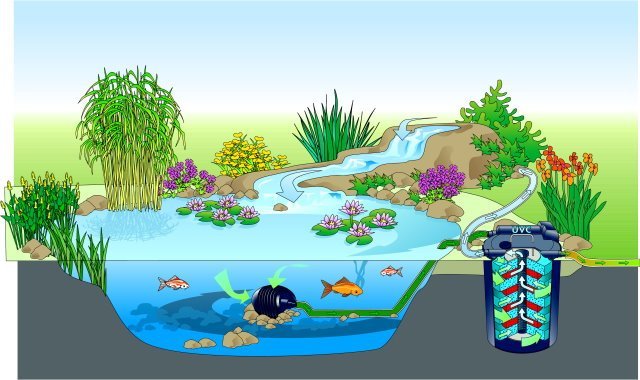
Waterfalls aren't just a feature, they also support your pond. The constant flow of water aerates your pond, aiding the health of your fish. The gentle flow of water creates a soothing atmosphere in your garden, as well as providing oxygen. You can also integrate the waterfall into your filtration system, helping the clarity of your water.
Benefits of installing a waterfall:
Even if you don't have a pond, you can still build your own waterfall, bringing a sense of natural beauty to any garden or patio.
Before you get started with the build, it's worth considering the style of waterfall that will best suit your garden. This enables you to choose the right equipment in advance.
If you're unsure, try our pre-formed waterfalls, designed for an easy set up.
| Waterfall Type | Best Suited For | Benefits |
| Natural looking rock waterfall | Traditional, natural themed ponds | Blends well into any garden |
| Water blade | Raised ponds or modern themes | Easy installation |
| Pond-less waterfall | Small gardens, or homes with pets and/or children | Safer without open water, low maintenance |
| Multi-tiered stream | Large ponds, gardens with slopes | Attracts wildlife and adds height |

Every waterfall needs:
You may want to include these optional extras:
Shop our UV clarifiers, pond filters, and hose today for high quality products at a low price.
The right size pump is crucial when building your waterfall. The higher you want the water to flow from, the more power your pump needs. It's important to bear in mind the head height of a pump, which is how far the pump can push water before gravity slows it down.
Here are some pump sizing tips to get you started:
| Waterfall Size | Waterfall Measurements | Recommended Pump Flow Rate |
| Small | 30-40cm high | 2000-3000 lph |
| Large | 1m high | 6000-8000 lph |
| Wide | 90cm blade | 12000 lph (or more) |
Tip: It's better to slightly over size your pump rather than under power your waterfall, and control the flow rate using a valve.


Pond-less waterfalls are perfect for smaller gardens. Additionally, these features make for child and pet friendly space. They work in a similar way to pond waterfalls, utilising a hidden underground reservoir instead of a body of open water. The reservoir collects water and is typically covered with decorative pebbles. These low maintenance features bring all the joy of a backyard waterfall, in a compact way perfect for patios, yards, and small sized gardens.
The steps differ slightly when choosing a pond-less waterfall:

Whether you're building a natural looking stream or a simple pond-less feature, there's a waterfall for every garden. Simply choose a structure that suits your tastes and needs, select the right pump, and you'll have it built in no time.
Ready to get started? Explore our full range of pumps, filters, and liners for your new project.
If you're considering building a pond to go with your waterfall, check out our How to build a pond guide.


