403 Forbidden
ERR_WEB_NGX_403

Rated EXCELLENT on

Platinum Trusted Service, based on over 42,000 reviews.

Pond pumps only remove debris that sinks down to the bottom, a skimmer will remove any surface debris that won’t sink, aiding water quality, and improving viewing.

Whereas a typical pond pump only removes debris that sinks down to the pond floor, floating pond skimmers will remove any surface debris that won’t sink, aiding water quality, and improving viewing.
Surface-skimmed water is healthier because any oils or residues are removed, meaning better gaseous exchange. Pollen, petals, dust and leaves are removed too, meaning they exit the system before they break down, and add to the pond’s biological load.
There are three main types of pond surface skimmers: built-in skimmers, in-pond skimmers, and floating skimmers. Each type works slightly differently and suits different kinds of pond setups.
1. Built-In Skimmers (Box Skimmers)
Best for: New ponds or koi ponds
Installed into the pond wall
Also called box skimmers, these are built into the pond wall during construction and are popular with koi keepers. They skim water from the surface and send it to an external filter system. This setup is tidy and effective but difficult to install after the pond is built, so it is best planned in advance. They do not include a prefilter and need to be connected to rigid pipework, which then leads to a separate mechanical filter.
A great option is the Oase ProfiSkim Wall 100, designed for larger or heavily stocked ponds.
2. In-Pond Skimmers
Best for: Existing ponds or flexible setups
Sits in the pond and connects to a pump (sold separately)
In-pond skimmers sit directly in the water and draw in floating debris from the surface. They are a great choice for ponds that didn’t have a skimmer built in from the start, as they can be added at any time without needing to change the pond structure.
These skimmers need to be connected to a pond pump, which is sold separately. For best results, many pond owners pair them with a dual-inlet pump like the Oase AquaMax Eco Premium. This type of pump can draw water from both the pond floor and the surface skimmer at the same time, giving you better coverage and more efficient filtration.
A popular and reliable option is the Oase AquaSkim, which adjusts to changing water levels and blends in well with most pond designs.
3. Floating Skimmers
Best for: Easy setup in most pond types
Floats on the surface with its own built-in pump
Floating skimmers are the simplest type to install. They come as an all-in-one unit with a built-in pump, so there’s no need for extra equipment or plumbing. They are low cost, easy to use, and suitable for almost any pond size, from small garden ponds to larger setups.
Since they float freely, they can move with the water and collect debris wherever it builds up. They’re ideal if you want a quick, no-fuss way to keep your pond surface clear.
A great example is the Swell Pond Skimmer 3000. It’s compact, efficient, and ready to go straight out of the box. It can remove floating debris from virtually any depth of water, as long as it is deep enough for the unit to float without touching the bottom.
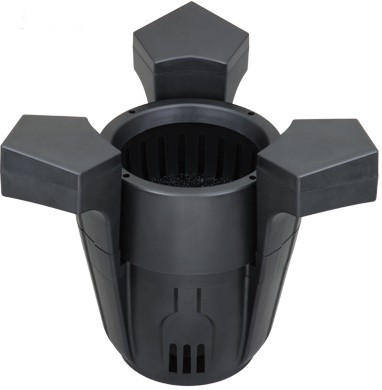
UK law states that pond appliances are not allowed to be sold with pre-fitted plugs, so you’ll need to wire the skimmer into an RCD plug, or a certified outdoor safe electrical switch box. Once you’ve done that familiarize yourself with the product.
The pump sits upside down in the bottom case and pond water is drawn in over the adjust ring before floating waste is trapped in the collection cup. The unit floats by way of three built-in floats, which must be attached before the unit is placed into the pond.
Ensure that the pump and bottom case on the unit are fully submerged and fully tilted before turning the unit on. Without doing this air will be trapped in the base of the unit, forcing it to float higher in the water column, and it won’t skim properly.
So submerge, tilt 90 degrees under the water to release air from the base, turn back the right way up, and switch on. The skimming effect will be immediate, and leaves will be drawn slowly towards the skimmer before overflowing into the collection cup.
A tether string is supplied, which can be tied around one of the floats, so that the unit can be retrieved easily from the middle of the pond once full of leaves.


