403 Forbidden
ERR_WEB_NGX_403

Rated EXCELLENT on

Platinum Trusted Service, based on over 42,000 reviews.

Cleaning a garden pond is essential for keeping your water clear and maintaining a healthy environment for fish and wildlife. Leaves, algae, and organic debris build up over time in the water, and if left unchecked can reduce oxygen levels and encourage the excessive growth of algae.
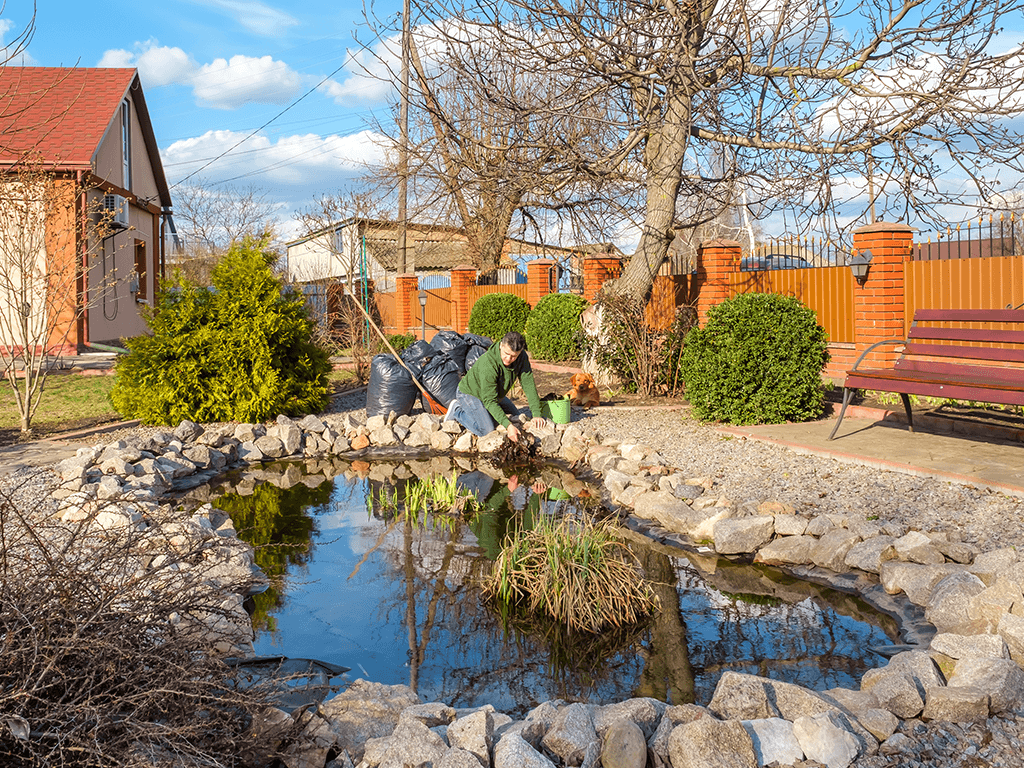
Most ponds can be cleaned without completely draining them. Draining a pond may actually cause more harm than good as it removes beneficial bacteria and can disrupt the natural ecosystem. With the right tools and regular maintenance, you can remove debris, keep algae under control, and maintain a healthy pond without starting from scratch.
Draining a pond might seem like the most simple way to clean it, but it can cause a variety of problems:
Tip: The goal should be to remove excess debris whilst preserving the natural balance of the pond, which is only achieved without draining it.
The simplest way to keep your pond clear is by removing any floating debris before it has a chance to sink and degrade the water quality. Fallen leaves quickly decompose in water into a sludge which releases nutrients that cause algae growth.
You can manage this by regularly:
Tip: Remove leaves regularly to reduce the amount of organic waste that settles in your pond.
Shop our selection of skimmer nets, pond skimmers, and cover nets today.

Green water is caused by microscopic algae suspended in the water. While draining and refilling your pond may seem like the best option, it actually rarely solves the problem as the conditions that caused the algae to grow has not been addressed.
Using a UV clarifier alongside your filtration system is an effective solution, here's how it works:
Tip: Using the correct size filter and UVC unit for your pond is ideal for clearing your water within just a few days.
Browse our UV clarifiers to prevent floating algae.

Blanketweed is a common issue in garden ponds, forming long strands of algae that attach to rocks, plants, and even liners. The most effective way to manage blanketweed is to remove as much as possible before starting treatment.
This can be done by:
Tip: Once the bulk of it has been removed, use a blanketweed treatment and follow up with a sludge control product to break down any remaining waste.
Long term prevention may include:
Try our blanketweed treatments to remove these long strands of algae with ease.

Over time, ponds naturally accumulate sludge consisting of decomposed leaves, fish waste, and organic debris. This waste can release nutrients that increase algae growth. A pond vacuum is the quickest and most effective tool for removing build up without draining the pond.
Using a vacuum periodically helps to maintain a clean pond base, reducing the risk of water quality issues. If you have a wildlife pond, be cautious while vacuuming and consider fitting a mesh bag to the outlet to prevent removing aquatic life.
Our pond vacuum selection will help to keep your water crystal clear.

A reliable filter system is essential for keeping your pond water clear year round. Regular filter maintenance includes:
Colonies of beneficial bacteria are essential for breaking down ammonia and other waste produced by fish and decaying matter.
Tip: When filling your pond with tap water, be sure to use a dechlorinator to remove any harmful chlorine before adding it to your pond.
Timing matters when cleaning your pond, especially if you have fish. If the water drops to 4°C or lower, fish enter a semi-dormant state that is similar to hibernation. Disturbing the pond during this time can cause stress to fish and disrupt their natural behaviour.
Tip: It's best to carry out any major cleaning tasks in early autumn or spring, when water temperatures are milder.
For large or neglected ponds, professional cleaning may sometimes be the best option. Many pond maintenance companies offer services that include full cleaning and sludge removal, filter servicing, and seasonal maintenance. If you're looking for pond cleaning services near you, we recommend finding one that specialises in garden or fish ponds and has experience with aquatic ecosystems.
With the right equipment and regular maintenance, most pond owners can keep their ponds clean without the need of professional help.
At Swell UK, we offer a professional pond cleaning service that covers a selection of maintenance tasks to get your pond back on track.

The key to a healthy pond is carrying out a little maintenance quite often. By removing debris, managing algae, and maintaining your filtration system, you'll prevent problems from building up, allowing you to enjoy clear water without ever needing to drain your pond.


