403 Forbidden
ERR_WEB_NGX_403

Rated EXCELLENT on

Platinum Trusted Service, based on over 42,000 reviews.

Feeding the right food to your fish is critical to their health. With each species having unique requirements, here’s what you need to know.

Feeding your pond fish with the right food is important in supporting their health, growth, and colouration. The best food helps to support their immune system, leading to healthy aquatic life. This applies to all species, including Goldfish, Koi, Sturgeon, or other pond fish.
In this guide we will discuss everything you need to know about pond fish food. This will help you select the best nutrient rich foods that support your aquatic life.
Providing your pond fish with a suitable diet that meets their requirements is essential. This supports their general health, enhances their colours, improves their growth, and even boosts their immune system. Well-fed fish are typically healthier and far more active. In turn, this reduces the cost of disease curing medicines, and the risk of fish loss.
Understanding the feeding requirements of the fish species you choose is very important, and makes feeding easier and more effective.
There are many different forms that fish food come in. The most common tends to be pellets, sticks, and flakes, but which is best?
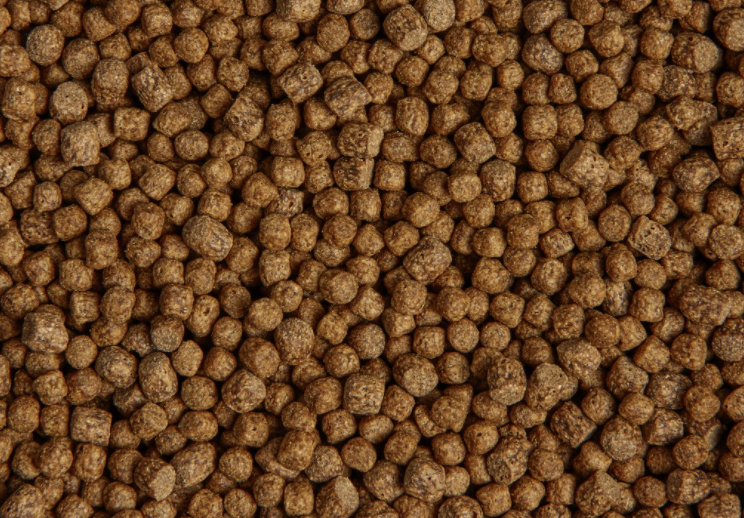
Pellet fish foods come in a range of sizes. Smaller fish are better suited to eating small pellets, and larger fish prefer larger pellets. Floating pellets are often preferred by pond keepers as they encourage surface-feeding, so you can easily check on the health of, and observe your fish, making feeding times both useful and fun. However, it is important to note that Sterlet and Sturgeon, and other bottom feeding pond fish require sinking foods specifically catered to their dietary requirements.
Choosing the size is simple, just make sure that the fish are able to eat them comfortably, without being too small for larger mouthed creatures.
Also note:
There are a few common feeding mistakes that should be avoided where possible:
It is recommended to feed your fish 1-2 times daily during warmer weather, feeding as much as can be consumed within a few minutes. Removing leftover food after this time aids in preventing degradation of the water quality. Above all, we suggest monitoring how much your fish consume to avoid overfeeding.
If you are going away or are unable to feed your fish regularly, it might be worth considering an automatic pond feeder. Check out our range here.

To help you get started, here are some of our most highly recommended fish foods:
Check out our full range of pond fish foods to find the best food from top brands at low prices.
No, it is important to make sure you switch to a wheatgerm food in cold temperatures to prevent any health issues, and stop feeding if the water temperature is below 4°C.
It is important to only feed your fish with what can be consumed within 3-5 minutes. This is a learning curve when you first stock your pond, so make sure to monitor how much is eaten. If there is any food left over after this time has passed, make sure to reduce the amount you feed next time.
Most of the time, yes. Premium foods tend to use high quality ingredients, and can often be easy to digest and increase immunity, leading to healthier fish, and clearer water. Pond owners keeping expensive Koi or other ornamental fish tend to opt for premium foods.
If you're having issues with water clarity, it's worth spending a little more on food, as their easily digestible formula will rapidly aid in keeping your water clearer. However, most budget foods are perfectly suitable when fed correctly, and are a lot more affordable.


