





At a glance...
- Provide a spacious aquarium with plenty of rockwork
- Compatibility: Specialist community
- Accepts flake, granules, cichlid pellets, frozen foodss

Details
Rock Kribensis
Overview
- Synonyms: Paralabidochromis sauvagei, Ctenochromis Sauvagei
- Origin: Lake Victoria
- Maximum Size: 12cm (5″)
- Temperature: 24–26°C
- Water Parameters: Hard, alkaline water; pH: 7.5–8.5; KH: up to 25°
- Compatibility: Specialist community
- Sexual Dimorphism: Males are larger and more colourful
- Feeding: Flake, granules, cichlid pellets, frozen foods
Description
Named for its resemblance to the dwarf kribensis cichlid, Paralabidochromis sauvagei is a unique species native to the rocky and sandy littoral zones of Lake Victoria. Due to the introduction of the predatory Nile perch (Lates niloticus), wild populations of many Victorian cichlids have declined drastically, making aquarium populations vital for conservation.
Care
Provide a spacious aquarium with plenty of rockwork to create territories and hiding spots. Rocks should be arranged securely to prevent collapse during digging. Ensure efficient filtration, moderate flow, and good oxygenation. Regular partial water changes help maintain water quality.
Victorian cichlids like the Rock Kribensis are best kept in groups, ideally with two or more females per male to diffuse aggression. Suitable tank mates include peaceful mbuna or peacock cichlids from Lake Malawi, but research is essential before mixing species.
Feeding
This species readily accepts flake and granule foods, and should be given a variety of frozen or live foods such as bloodworms, daphnia, mosquito larvae, brine shrimp, and Mysis shrimp to maintain optimal health and colouration.
Breeding
Breeding is relatively easy in home aquariums. Males become more colourful and aggressive when ready to spawn. They clean a spawning site and court females through displays. Once spawning begins, eggs are laid one or two at a time and picked up by the female, who also ingests the male’s milt while mistaking his egg spots for real eggs, a clever fertilisation strategy.
Females mouthbrood the eggs for up to 3 weeks, releasing free-swimming fry that can be fed with baby brine shrimp and finely crushed flakes.
Above images for illustration purposes only. Exact colours, patterns, and size may vary between individuals.
Please note: The livestock that is sold on our online site is not held in store at our Swell shop, or available for collection from the shop. Species sold at our Swell store will differ from ones available to order to your door.
All livestock deliveries are subject to our full Delivery Terms & Conditions, please read before ordering.
Specifications
| Order Livestock By | Receive Order By |
| Monday 11:30am | Wednesday |
| Tuesday 11:30am | Thursday |
| Wednesday 11:30am | Friday |
| Thursday 11:30am | Saturday |
| Friday | Wednesday |
| Saturday | Wednesday |
| Sunday | Wednesday |
Reviews
Write Your Own Review
Alternatives
-
 Aulonocara Jacobfreibergi Peacock Malawi African CichlidFrom £16.09In stock
 -
 Aulonocara Tangerine Peacock Malawi African CichlidFrom £16.09In stock
 -
 Aulonocara Baenschi Yellow Peacock Malawi African CichlidFrom £16.09In stock
 -
 Aulonocara Strawberry Peacock Malawi African CichlidFrom £16.09In stock
 -
 Aulonocara Dragon Blood Fire Fish Peacock Malawi African CichlidFrom £16.09In stock
 -
 Aulonocara Orange Blotch Peacock Malawi African CichlidFrom £16.09In stock

Customers also bought
-
 Swell Tropical Fish Treats BundleFrom £21.99 Regular Price £32.99 Save £11.00Out of stock
 -

-
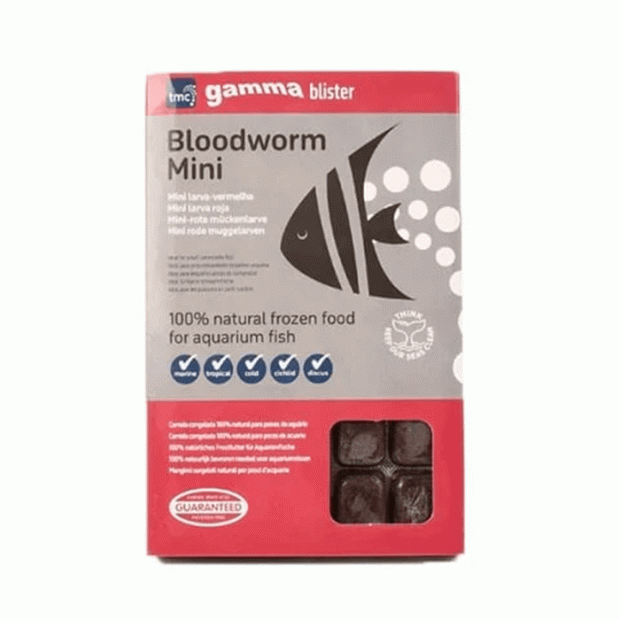 TMC Gamma Concentrated Mini Bloodworm Blister PackFrom £2.59 Regular Price £2.99 Save £0.40In stock
 -

-
 Swell All-In-One Maxi FilterFrom £25.99 Regular Price £38.99 Save £13.00In stock
 -
 Swell Aquarium DechlorinatorFrom £4.99 Regular Price £7.49 Save £2.50In stock


